Graphite Metallizing Corporation, the manufacturer of self- lubricating GRAPHALLOY®
bushing materials, will be an exhibitor at the ACHEMA World Forum in
Frankfort, Germany. This trade show runs from June 15 – June 19 and is
considered to be the leading forum for chemical engineering and the
process industry.
Graphite Metallizing will be located in Hall 8.0, Stand H84.
Representatives will be discussing two exciting new business
initiatives. The first is the creation of a new headquarter office in
the U.K. to support design applications in the European Union. The
second initiative is the introduction of an expanded line of
self-lubricating bearings for petrochemical and power pumps along with a
full line of bearings for harsh environments.
GRAPHALLOY pump bearings have been granted Water Regulations Advisory
Scheme (WRAS) approval. These bearings are used in municipal water
system pumps and can operate for more than 10 years.
For more information about Graphite Metallizing and its products, please visit us online at http://www.graphalloy.com
GRAPHALLOY Bushings and Bearings

Showing posts with label graphalloy pump bearings. Show all posts
Showing posts with label graphalloy pump bearings. Show all posts
Tuesday, June 9, 2015

Thursday, November 7, 2013
Self-Lubricating Bearings for Low Viscosity Liquids
The use of GRAPHALLOY® bearings and wear rings when
pumping low viscosity fluids allows tighter clearances, improving
reliability, lowering vibration and increasing efficiency in vertical
and horizontal pumps.
Graphite Metallizing Corporation announces a range of custom GRAPHALLOY® bearings and wear rings designed for pumping low viscosity fluids such as Natural Gas Liquids (NGLs), LNG, CO2 and other light hydrocarbons.

GRAPHALLOY bearings are used in vertical and horizontal pumps for low viscosity service to help eliminate operational problems due to the poor lubricity of these liquids. The non-galling, self-lubricating features of GRAPHALLOY allow pumps to continue working even when experiencing run-dry, flashing or cavitation.
According to Graphite Metallizing Corporation, light hydrocarbons can be especially difficult for metallic bearings because the hydrodynamic film provided by these low lubricity fluids is unable to provide enough lubrication, which can lead to metal-on-metal contact, galling or seizing of the pump.
Using GRAPHALLOY bearings and wear rings allows tighter clearances, improving reliability, lowering vibration and increasing efficiency in vertical and horizontal pumps.
Graphite Metallizing Corporation announces a range of custom GRAPHALLOY® bearings and wear rings designed for pumping low viscosity fluids such as Natural Gas Liquids (NGLs), LNG, CO2 and other light hydrocarbons.
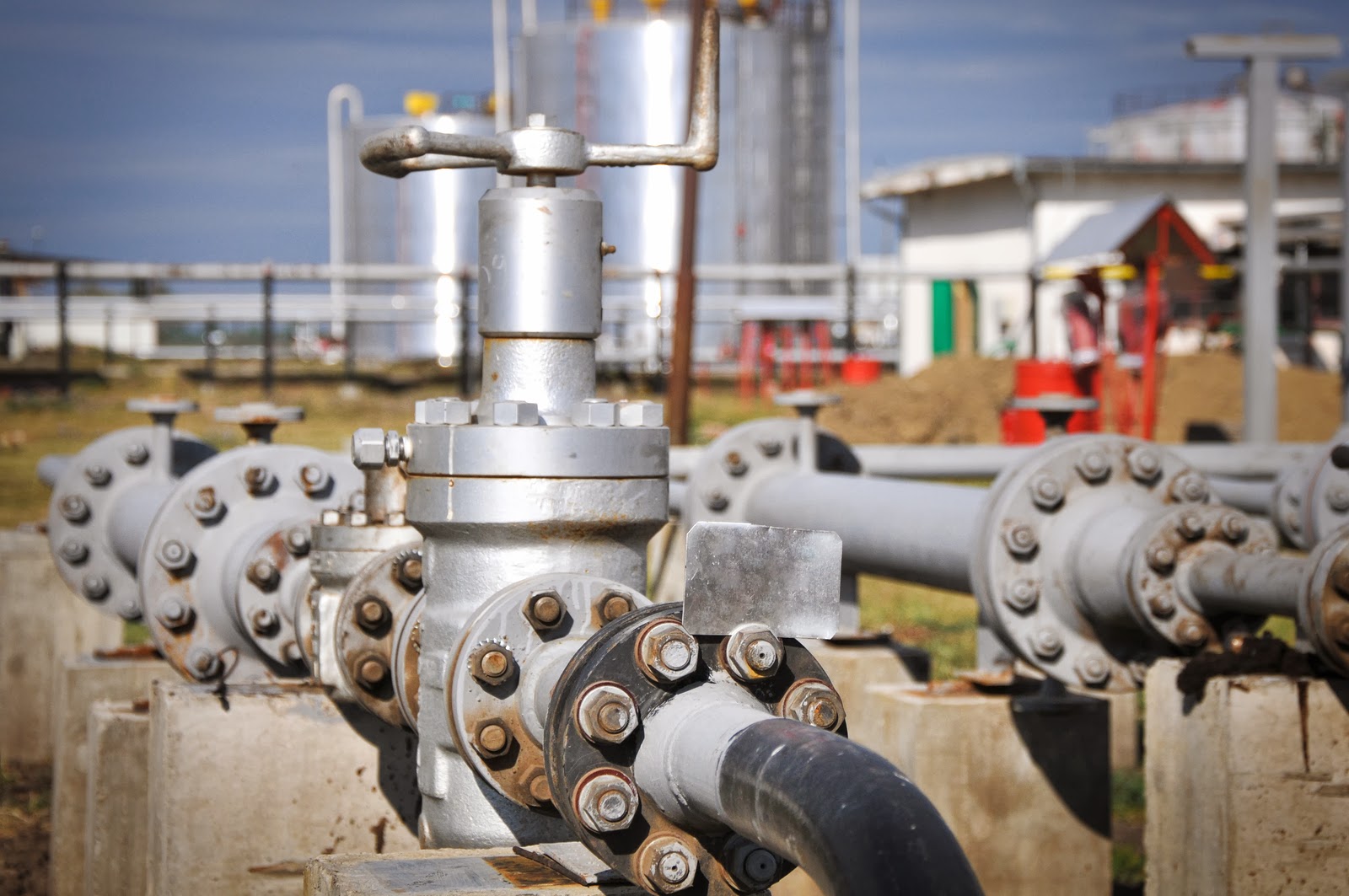
GRAPHALLOY bearings are used in vertical and horizontal pumps for low viscosity service to help eliminate operational problems due to the poor lubricity of these liquids. The non-galling, self-lubricating features of GRAPHALLOY allow pumps to continue working even when experiencing run-dry, flashing or cavitation.
According to Graphite Metallizing Corporation, light hydrocarbons can be especially difficult for metallic bearings because the hydrodynamic film provided by these low lubricity fluids is unable to provide enough lubrication, which can lead to metal-on-metal contact, galling or seizing of the pump.
Using GRAPHALLOY bearings and wear rings allows tighter clearances, improving reliability, lowering vibration and increasing efficiency in vertical and horizontal pumps.
Thursday, April 25, 2013
Horizontal Multistage Pumping System Provides Natural Gas Liquids Solution
Pumps & Systems
April 2013
Written by: Matt Cray & Jim Rector, Schlumberger
GRAPHALLOY® Pump Bearings Combat Low NGL Viscosity
Shale natural gas activity throughout North America has created many opportunities and challenges for natural gas liquid (NGL) plant operators who need cost-effective pumping solutions to treat, fractionate and move natural gas liquids from remote processing sites to pipelines bound for end markets.
Horizontal multistage centrifugal pumps can be a cost-effective, operationally efficient and safe alternative to reciprocating, vertical turbine can pumps and axial split case pumps that have historically been used in these high-pressure applications.
Although first developed in the 1940s, the horizontal multistage pump did not truly evolve until the oil boom of the early 1980s. During that period, water injection had become a pervasive need, which was difficult to maintain with traditional reciprocating pumps. The quick delivery and increased reliability of the horizontal multistage pump made it a suitable replacement for the older, more conventionally-used pumps.
Read more...
For more information on GRAPHALLOY®, please visit www.graphalloy.com
April 2013
Written by: Matt Cray & Jim Rector, Schlumberger
GRAPHALLOY® Pump Bearings Combat Low NGL Viscosity
Shale natural gas activity throughout North America has created many opportunities and challenges for natural gas liquid (NGL) plant operators who need cost-effective pumping solutions to treat, fractionate and move natural gas liquids from remote processing sites to pipelines bound for end markets.
Horizontal multistage centrifugal pumps can be a cost-effective, operationally efficient and safe alternative to reciprocating, vertical turbine can pumps and axial split case pumps that have historically been used in these high-pressure applications.
Although first developed in the 1940s, the horizontal multistage pump did not truly evolve until the oil boom of the early 1980s. During that period, water injection had become a pervasive need, which was difficult to maintain with traditional reciprocating pumps. The quick delivery and increased reliability of the horizontal multistage pump made it a suitable replacement for the older, more conventionally-used pumps.
Read more...
For more information on GRAPHALLOY®, please visit www.graphalloy.com
Subscribe to:
Posts (Atom)