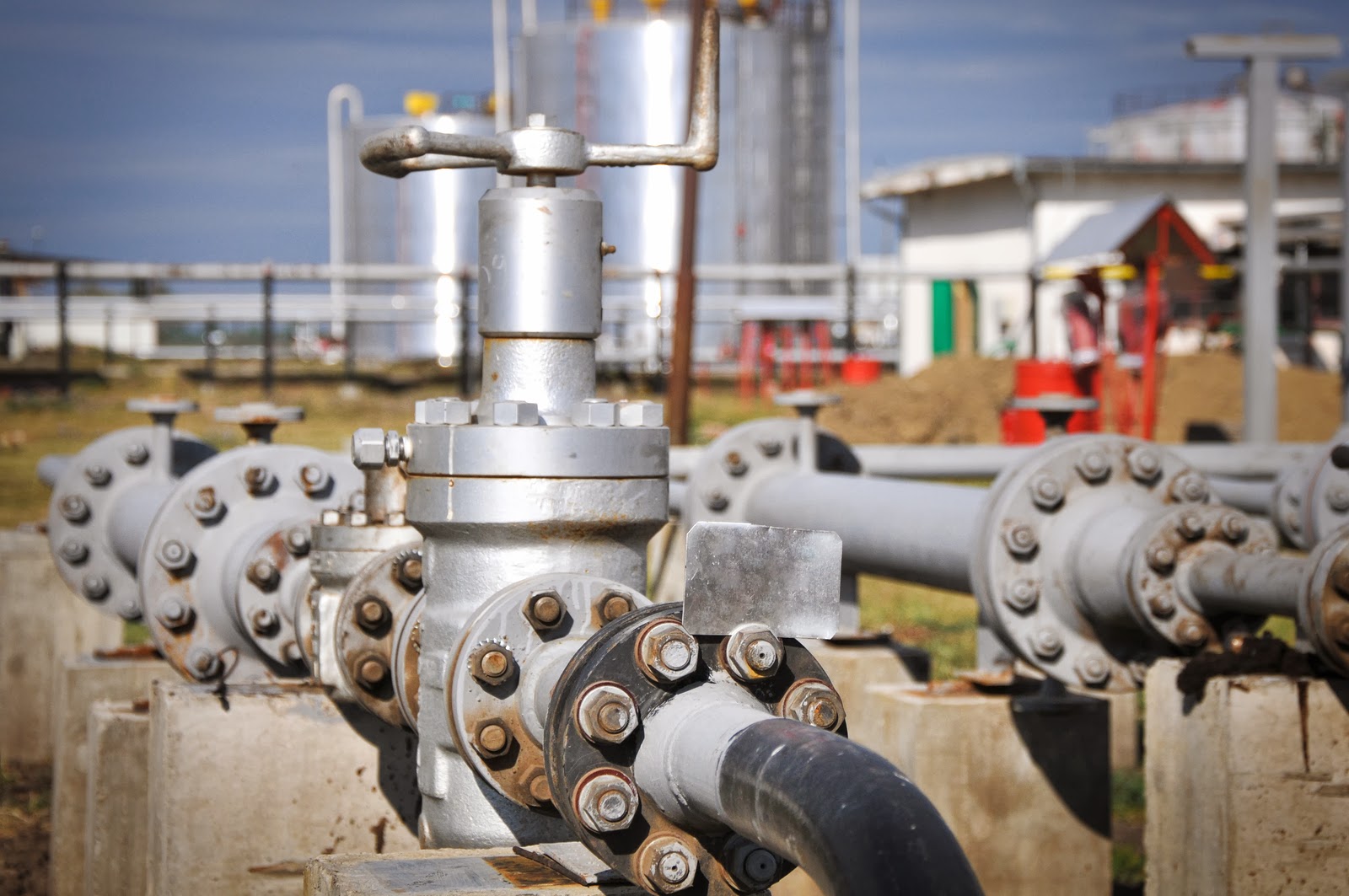
A major pump manufacturer’s Water Systems Group, which focuses on the
commercial and industrial water markets, won a contract to provide
vertical turbine pumps for a desalination facility at a publicly-owned
water agency.
The pumps would experience dry starts with the possibility of
prolonged dry running. In addition, the bearings needed to be NSF
certified. These conditions led the pump company to replace their
standard bronze bearings with GRAPHALLOY NSF certified bearings.
The unique properties of GRAPHALLOY bearings and wear rings enable
pumps to run dry and survive upsets and flashing that cause metal
bearings to fail.
Read more...
Bearings and bushings recommended for high temperature service and for pump applications where the pumpage cannot be relied upon to lubricate the shaft bearing or wear parts
Showing posts with label pump wear parts. Show all posts
Wednesday, March 15, 2017
Tuesday, May 31, 2016
Facility Chooses Graphite-Metal Alloy Bearings
by Eric Ford
Vice President, Graphite Metallizing Corporation
Pumps & Systems, April 2016
Sometimes
saving money can be expensive. Ads showing that an appliance is more
energy efficient than its competition can be convincing, but perhaps
spending $800 on a new refrigerator would only save $10 a year. The
problem is not limited to consumer goods. Selecting the wrong
replacement parts for industrial equipment can also prove to be costly.
One Midwest refinery encountered this issue when it replaced the
original graphite-metal alloy bearings on two butane cavern pumps with
bronze bearings. While the original bearings lasted almost a quarter of a
century, the new bronze bearings failed within four years. Just the
labor to remove the pump ended up costing far more than purchasing
higher-quality bearings would have.
Limestone Cavern
The refinery was built in the early 1900s. Over the past century, it has undergone extensive reconfiguration and expansion. It can process 125,000 barrels per day (bpd) of sweet or sour crude. Four hundred feet beneath the refinery lies a limestone cavern used for butane storage.
In 1980, the plant purchased a pair of 13-stage, deep-well cavern pumps to move product out of the cavern. Designed to fit on the existing 16-inch, 300-pound flanges with mechanical seals and rigid flange couplings, the pumps came with 408 feet of column and stainless-steel shafting. Originally, they were designed to pump 350 gallons per minute of propane, but this later changed to butane. Although butane is slightly heavier—with a specific gravity of 0.58 versus propane's 0.51—it was well within pump specifications. The equipment was also designed to pump water if it infiltrated the cavern. The pumps operate one at a time in a balanced mode so that they have the same number of operating hours, rather than operating as the primary and the other as a standby.
The refinery was built in the early 1900s. Over the past century, it has undergone extensive reconfiguration and expansion. It can process 125,000 barrels per day (bpd) of sweet or sour crude. Four hundred feet beneath the refinery lies a limestone cavern used for butane storage.
In 1980, the plant purchased a pair of 13-stage, deep-well cavern pumps to move product out of the cavern. Designed to fit on the existing 16-inch, 300-pound flanges with mechanical seals and rigid flange couplings, the pumps came with 408 feet of column and stainless-steel shafting. Originally, they were designed to pump 350 gallons per minute of propane, but this later changed to butane. Although butane is slightly heavier—with a specific gravity of 0.58 versus propane's 0.51—it was well within pump specifications. The equipment was also designed to pump water if it infiltrated the cavern. The pumps operate one at a time in a balanced mode so that they have the same number of operating hours, rather than operating as the primary and the other as a standby.
Both pumps were initially fitted with self-lubricating graphite-metal
alloy composite bearings. These composites consist of a metal
impregnated into a graphite substrate under high temperature and
pressure. This process gives the material its strength. Such components
can be manufactured with tighter-than-normal clearances. Any wear or
contact exposes the graphite, providing a low-friction surface.
Depending on the intended use, these composites can be made using metal
alloys including Babbitt, bronze, copper, iron, nickel and silver. The
graphite does not have a melting point and does not soften at high
temperatures, so it can be used in non-oxidizing temperatures up to
1,000 F (538 C) and up to 750 F (400 C) in air. It does not get brittle
at temperatures as low as minus 450 F (minus 268 C).
The original graphite-metal alloy bearings lasted from initial
installation in 1980 until 2004. However, the pump original equipment
manufacturer (OEM) recommended using bronze as replacement bearings,
which was a less expensive option. In many instances, it makes sense to
go with the lower-cost bearings. However, this was not one of those
times. While bronze performs well under normal operating conditions when
moving product, it does not do well during dry-run conditions. The
problem is one of lubricity.
In these deep-well pumps, the product lubricates the bushings on its
way up and out of the pump. During startup, the pump has to run dry for
10 to 15 seconds before product is moved to the top of the pump. Because
bronze is not self-lubricating or non-galling, the pumps would seize
during this time, and the bearings needed to be replaced after an
average of just nine months.
With an above-ground pump, repairs might be fairly straightforward. That was not the case with these cavern pumps. To repair them, technicians had to pull each pump out of the ground, one 10-foot section at a time, and disassemble it along the way. Forty bearings needed replacement, one for each section. Each pump then had to be assembled and lowered, section by section, before it could be put back into service. The cost of doing this just one time was more than 20 times the cost differential between the self-lubricating bearings and the bronze bearings.
When engineers with experience at this plant returned to work at the refinery, they observed the situation and recommended the plant return to the approach that had worked before. In this case, it was an easy financial decision now that replacement labor costs were well-known.
The first pump had its bronze line shaft bearings and bowl bushings replaced with graphite-Babbitt grade bearings. Five years later, both pumps continue to operate without issue, allowing maintenance personnel to put time and budget toward improving other aspects of the refinery.
With an above-ground pump, repairs might be fairly straightforward. That was not the case with these cavern pumps. To repair them, technicians had to pull each pump out of the ground, one 10-foot section at a time, and disassemble it along the way. Forty bearings needed replacement, one for each section. Each pump then had to be assembled and lowered, section by section, before it could be put back into service. The cost of doing this just one time was more than 20 times the cost differential between the self-lubricating bearings and the bronze bearings.
When engineers with experience at this plant returned to work at the refinery, they observed the situation and recommended the plant return to the approach that had worked before. In this case, it was an easy financial decision now that replacement labor costs were well-known.
The first pump had its bronze line shaft bearings and bowl bushings replaced with graphite-Babbitt grade bearings. Five years later, both pumps continue to operate without issue, allowing maintenance personnel to put time and budget toward improving other aspects of the refinery.
Beyond Cavern Bearings
Bronze or other materials with short dry-run capabilities are a good fit in some situations, but not for vertical pumps operating under possible dry-run conditions, especially with low specific gravity fluids. These vertical pumps are not limited to hydrocarbons or refinery operations. They are also used in potable water service in places that require deep-well pumps.
Twenty years ago, pump operators would install a food-grade bearing grease drip system that an operator could turn on five or 10 minutes before startup that would ensure bearings were lubricated all the way down the shaft. Now regulators do not allow anything to be introduced into these water wells. As a result, some operators have switched to graphite-metal alloy bearings that can withstand these startup conditions.
Bronze or other materials with short dry-run capabilities are a good fit in some situations, but not for vertical pumps operating under possible dry-run conditions, especially with low specific gravity fluids. These vertical pumps are not limited to hydrocarbons or refinery operations. They are also used in potable water service in places that require deep-well pumps.
Twenty years ago, pump operators would install a food-grade bearing grease drip system that an operator could turn on five or 10 minutes before startup that would ensure bearings were lubricated all the way down the shaft. Now regulators do not allow anything to be introduced into these water wells. As a result, some operators have switched to graphite-metal alloy bearings that can withstand these startup conditions.
Thursday, July 3, 2014
GRAPHALLOY® Survives Where Plastic Fails
A major oil company’s chemical plant was experiencing run dry failures with a multistage axially split cased pump in a hydrocarbon process service. The plant was operating with batching requirements rather than continuous feed. As a result of the batching requirement, the operators and instrumentation were unable to prevent run dry transients from occurring.
The plant engineers had approved modifying the pumps to incorporate plastic composite wear rings and sleeves on the rotating assembly. These modifications were made in hopes of preventing pump failures during the dry running upsets. After modification the pump continued to experience dry running upsets and the plastic composite materials failed.
This pump is a multistage volute style with a flow crossover so that some of the stages work in the opposed direction to help balance thrust. The rotor utilizes stationary and rotating wear rings on the eye and hub side of the impellers as well as inter-stage bushings, center bushing and throttle bushing.
Operating conditions:
The repair service company completed the installation and returned the pump to service. Upon start-up the pump ran smoothly. Over the next several months, this pump experienced four separate incidents where the pump was run dry for four to eight minutes. GRAPHALLOY allowed the pump to operate through these transients without shutdown or failure because of its non-galling/self-lubricating features.
Since installing GRAPHALLOY, the plant operators have not observed any fluctuations in the pump’s performance (throughput and pressure) and vibration levels have remained constant. The end user is pleased with the results of the GRAPHALLOY upgrade.
Read more about the success of GRAPHALLOY in pumps.
The plant engineers had approved modifying the pumps to incorporate plastic composite wear rings and sleeves on the rotating assembly. These modifications were made in hopes of preventing pump failures during the dry running upsets. After modification the pump continued to experience dry running upsets and the plastic composite materials failed.
This pump is a multistage volute style with a flow crossover so that some of the stages work in the opposed direction to help balance thrust. The rotor utilizes stationary and rotating wear rings on the eye and hub side of the impellers as well as inter-stage bushings, center bushing and throttle bushing.
Operating conditions:
- Temp: 350̊F
- Flow: 370 GPM
- TDH: 2020 ft
- Speed: 3560 RPM
- Motor Drive
The repair service company completed the installation and returned the pump to service. Upon start-up the pump ran smoothly. Over the next several months, this pump experienced four separate incidents where the pump was run dry for four to eight minutes. GRAPHALLOY allowed the pump to operate through these transients without shutdown or failure because of its non-galling/self-lubricating features.
Since installing GRAPHALLOY, the plant operators have not observed any fluctuations in the pump’s performance (throughput and pressure) and vibration levels have remained constant. The end user is pleased with the results of the GRAPHALLOY upgrade.
Read more about the success of GRAPHALLOY in pumps.
Thursday, January 2, 2014
Cooperation Helps to Eliminate Pump Failures
World Pumps
November 2013
When a hot strip mill experienced failures in its Worthington 10-stage split case diffuser style pumps, the results were costly: each rebuild was put at approximately $85,000 when failure of seals, bushings and shafts made it necessary to rebuild the pumps every 18 to 24 months. Additionally, difficulties in running the two pumps supplying hydraulic pressure to the coiler resulted in reduced production and made for a higher scrap rate.
So the mill’s engineering team looked for a new repair provider and selected Hydro Inc, the engineering pump rebuilding company from Chicago, to apply new technology to the pumps, using GRAPHALLOY®, a self-lubricating graphite/metal alloy bearing material manufactured by the Graphite Metallizing Corporation. Hydro implemented engineered upgrades including A and B gap modifications, rotor centralization and manufacture of new impellers and diff users. Following its work at the steel mill, it is estimated that the mill has saved over $250,000 in potential rebuild costs.
Prior to the steel mill selecting the Chicago based company, it was found that the seals of the Worthington WT-810 split case pumps, which are designed to produce up to 1,400 PSI fluid pressure (with two split mechanical seals were originally used in the coupling and thrust ends of the stuffing box) would wear prematurely and would have to be replaced every six months.
The bronze bushings used on each of the ten stages failed every 18 to 24 months, and required a full element rebuild. The steel mill also experienced four broken shafts in one pump over the course of two years. Hydro’s engineers determined that this most likely occurred because the seals ran dry under various operating scenarios, and when this happened, they failed quickly. As a result of these failures, the two pumps that supplied hydraulic pressure to the coil ran inconsistently, resulting in lower than optimal production and a higher scrap rate.
A new approach was required to address the problem’s root cause, and after the mill contacted it, Hydro performed an inspection referred to as ‘rotor condition analysis’. This involved a review of field operating conditions including vibration, temperature, fl ow and past repair history.
This was followed by a thorough dimensional study to determine the physical condition of the pump. This analysis provided sufficient evidence to understand the pump’s problems and would serve as the basis for solving its performance issues.
Engineers from the Chicago company worked with the mill’s maintenance staff to identify the root causes of the pump failures, and it was found that the previous material used for the stuffing box seals and diffuser bushings performed well when fully lubricated but failed quickly under run dry conditions. Because there was no way to prevent the pump from running dry under certain operating scenarios, a new bearing material was key to solving this problem.
Hydro’s engineers also noted that the pump was being operated off its best efficiency point, close to shutoff, causing axial shuttling and hydraulic instability. The report additionally noted that the previous repair shop had provided a shaft manufactured from incorrect material and had not used accepted manufacturing techniques. This caused stress risers to occur in the threaded areas leading to shaft failure. After years of operation, there was also deterioration in the pump’s base plate and foundation as well as leaks throughout the piping system causing pressure drops which, in turn, contributed to the overall instability of the pump while in operation.
Hydro recommended upgrading the stuffi ng box and diff user bushings to Graphalloy because of its run dry capabilities. Graphalloy is a graphite/metal alloy with enhanced chemical, mechanical and tribological properties. This self-lubricating bearing material survives dry starts, flashing and loss of pumpage for prolonged periods without damage and allows immediate restarts. The material provides a constant, low coeffi cient of friction rather than just a surface layer, helping to protect against catastrophic failure. Graphalloy wear components also improve reliability under conditions such as low-speed operation, frequent starts and stops, and switching from standby to continuous running.
Hydro’s engineers recommended changing the A gap (between the impeller vane tip and diff user shroud) and B gap (between the impeller shroud and impeller vane tip) to reduce turbulent fl ow in the pump, increase rotor stability, and reduce axial shuttling and vibration.
The company’s team performed rotor centralization, a process they pioneered involving centering the rotating impellers within the stationary diff users and volutes. Hydro also manufactured new impellers and diff users using upgraded materials. The impellers were upgraded from bronze to high-grade special stainless steel. The diff users and return channels were upgraded from cast iron to high-grade special stainless steel.
The company also manufactured a new shaft using the proper grade of stainless steel. The maintenance department at the mill worked with its application engineering team to develop recommendations for structural changes to the pump’s mounting and to relieve piping strain. Rebuilding the pump Hydro utilized stringent practices in rebuilding the pump. Tighter fits and tolerances were achieved to improve pump efficiency. Precise manufacturing and balancing techniques were used to achieve a rotor balance of less than 1W/N (W = component weight and N = pump rotating speed) to reduce vibration thereby extending the life of the pump. The maximum shaft total indicator reading (TIR) was held to 0.001 in which is more stringent than the industry standard of 0.003 in TIR.
Because Graphalloy is non-galling, pumps can be designed with tighter clearances. Hydro was able to reduce the clearances between the bushings and shaft sleeves to 0.005 in or 0.0025 in per side. Pump elements were assembled in the vertical position to accommodate the much tighter assembly tolerances. It took checked the balancing the coupling with the rotor. Since even a perfectly rebuilt rotor cannot operate as intended if there are issues with the pump’s casing, Hydro inspected the casing and performed split line and line boring to restore the entire casing fits.
The project has surpassed the expectations of the mill’s management team, and the Graphalloy stuffing box and diff user bushings have lasted through two six-year pump rebuild cycles without any failures. When the pumps were disassembled during the scheduled rebuilds, only minimal wear was observed on the seals and bushings. The bushings and seals were replaced although they could have easily lasted many more years. The mill has estimated the design improvements have saved a quarter of a million dollars by avoided three rebuilds over six years, and that it has achieved improved reliability that eliminated lost production time. The rebuilt pump is now considerably more efficient resulting in reduced energy consumption. The pump requires substantially less maintenance, providing additional cost savings.
www.hydroinc.com
www.graphalloy.com
Click here to learn more about GRAPHALLOY.
November 2013
When a hot strip mill experienced failures in its Worthington 10-stage split case diffuser style pumps, the results were costly: each rebuild was put at approximately $85,000 when failure of seals, bushings and shafts made it necessary to rebuild the pumps every 18 to 24 months. Additionally, difficulties in running the two pumps supplying hydraulic pressure to the coiler resulted in reduced production and made for a higher scrap rate.
So the mill’s engineering team looked for a new repair provider and selected Hydro Inc, the engineering pump rebuilding company from Chicago, to apply new technology to the pumps, using GRAPHALLOY®, a self-lubricating graphite/metal alloy bearing material manufactured by the Graphite Metallizing Corporation. Hydro implemented engineered upgrades including A and B gap modifications, rotor centralization and manufacture of new impellers and diff users. Following its work at the steel mill, it is estimated that the mill has saved over $250,000 in potential rebuild costs.
Prior to the steel mill selecting the Chicago based company, it was found that the seals of the Worthington WT-810 split case pumps, which are designed to produce up to 1,400 PSI fluid pressure (with two split mechanical seals were originally used in the coupling and thrust ends of the stuffing box) would wear prematurely and would have to be replaced every six months.
The bronze bushings used on each of the ten stages failed every 18 to 24 months, and required a full element rebuild. The steel mill also experienced four broken shafts in one pump over the course of two years. Hydro’s engineers determined that this most likely occurred because the seals ran dry under various operating scenarios, and when this happened, they failed quickly. As a result of these failures, the two pumps that supplied hydraulic pressure to the coil ran inconsistently, resulting in lower than optimal production and a higher scrap rate.
A new approach was required to address the problem’s root cause, and after the mill contacted it, Hydro performed an inspection referred to as ‘rotor condition analysis’. This involved a review of field operating conditions including vibration, temperature, fl ow and past repair history.
This was followed by a thorough dimensional study to determine the physical condition of the pump. This analysis provided sufficient evidence to understand the pump’s problems and would serve as the basis for solving its performance issues.
Engineers from the Chicago company worked with the mill’s maintenance staff to identify the root causes of the pump failures, and it was found that the previous material used for the stuffing box seals and diffuser bushings performed well when fully lubricated but failed quickly under run dry conditions. Because there was no way to prevent the pump from running dry under certain operating scenarios, a new bearing material was key to solving this problem.
Hydro’s engineers also noted that the pump was being operated off its best efficiency point, close to shutoff, causing axial shuttling and hydraulic instability. The report additionally noted that the previous repair shop had provided a shaft manufactured from incorrect material and had not used accepted manufacturing techniques. This caused stress risers to occur in the threaded areas leading to shaft failure. After years of operation, there was also deterioration in the pump’s base plate and foundation as well as leaks throughout the piping system causing pressure drops which, in turn, contributed to the overall instability of the pump while in operation.
Hydro recommended upgrading the stuffi ng box and diff user bushings to Graphalloy because of its run dry capabilities. Graphalloy is a graphite/metal alloy with enhanced chemical, mechanical and tribological properties. This self-lubricating bearing material survives dry starts, flashing and loss of pumpage for prolonged periods without damage and allows immediate restarts. The material provides a constant, low coeffi cient of friction rather than just a surface layer, helping to protect against catastrophic failure. Graphalloy wear components also improve reliability under conditions such as low-speed operation, frequent starts and stops, and switching from standby to continuous running.
Hydro’s engineers recommended changing the A gap (between the impeller vane tip and diff user shroud) and B gap (between the impeller shroud and impeller vane tip) to reduce turbulent fl ow in the pump, increase rotor stability, and reduce axial shuttling and vibration.
The company’s team performed rotor centralization, a process they pioneered involving centering the rotating impellers within the stationary diff users and volutes. Hydro also manufactured new impellers and diff users using upgraded materials. The impellers were upgraded from bronze to high-grade special stainless steel. The diff users and return channels were upgraded from cast iron to high-grade special stainless steel.
The company also manufactured a new shaft using the proper grade of stainless steel. The maintenance department at the mill worked with its application engineering team to develop recommendations for structural changes to the pump’s mounting and to relieve piping strain. Rebuilding the pump Hydro utilized stringent practices in rebuilding the pump. Tighter fits and tolerances were achieved to improve pump efficiency. Precise manufacturing and balancing techniques were used to achieve a rotor balance of less than 1W/N (W = component weight and N = pump rotating speed) to reduce vibration thereby extending the life of the pump. The maximum shaft total indicator reading (TIR) was held to 0.001 in which is more stringent than the industry standard of 0.003 in TIR.
Because Graphalloy is non-galling, pumps can be designed with tighter clearances. Hydro was able to reduce the clearances between the bushings and shaft sleeves to 0.005 in or 0.0025 in per side. Pump elements were assembled in the vertical position to accommodate the much tighter assembly tolerances. It took checked the balancing the coupling with the rotor. Since even a perfectly rebuilt rotor cannot operate as intended if there are issues with the pump’s casing, Hydro inspected the casing and performed split line and line boring to restore the entire casing fits.
The project has surpassed the expectations of the mill’s management team, and the Graphalloy stuffing box and diff user bushings have lasted through two six-year pump rebuild cycles without any failures. When the pumps were disassembled during the scheduled rebuilds, only minimal wear was observed on the seals and bushings. The bushings and seals were replaced although they could have easily lasted many more years. The mill has estimated the design improvements have saved a quarter of a million dollars by avoided three rebuilds over six years, and that it has achieved improved reliability that eliminated lost production time. The rebuilt pump is now considerably more efficient resulting in reduced energy consumption. The pump requires substantially less maintenance, providing additional cost savings.
www.hydroinc.com
www.graphalloy.com
Click here to learn more about GRAPHALLOY.
Thursday, November 7, 2013
Self-Lubricating Bearings for Low Viscosity Liquids
The use of GRAPHALLOY® bearings and wear rings when
pumping low viscosity fluids allows tighter clearances, improving
reliability, lowering vibration and increasing efficiency in vertical
and horizontal pumps.
Graphite Metallizing Corporation announces a range of custom GRAPHALLOY® bearings and wear rings designed for pumping low viscosity fluids such as Natural Gas Liquids (NGLs), LNG, CO2 and other light hydrocarbons.
GRAPHALLOY bearings are used in vertical and horizontal pumps for low viscosity service to help eliminate operational problems due to the poor lubricity of these liquids. The non-galling, self-lubricating features of GRAPHALLOY allow pumps to continue working even when experiencing run-dry, flashing or cavitation.
According to Graphite Metallizing Corporation, light hydrocarbons can be especially difficult for metallic bearings because the hydrodynamic film provided by these low lubricity fluids is unable to provide enough lubrication, which can lead to metal-on-metal contact, galling or seizing of the pump.
Using GRAPHALLOY bearings and wear rings allows tighter clearances, improving reliability, lowering vibration and increasing efficiency in vertical and horizontal pumps.
Graphite Metallizing Corporation announces a range of custom GRAPHALLOY® bearings and wear rings designed for pumping low viscosity fluids such as Natural Gas Liquids (NGLs), LNG, CO2 and other light hydrocarbons.
GRAPHALLOY bearings are used in vertical and horizontal pumps for low viscosity service to help eliminate operational problems due to the poor lubricity of these liquids. The non-galling, self-lubricating features of GRAPHALLOY allow pumps to continue working even when experiencing run-dry, flashing or cavitation.
According to Graphite Metallizing Corporation, light hydrocarbons can be especially difficult for metallic bearings because the hydrodynamic film provided by these low lubricity fluids is unable to provide enough lubrication, which can lead to metal-on-metal contact, galling or seizing of the pump.
Using GRAPHALLOY bearings and wear rings allows tighter clearances, improving reliability, lowering vibration and increasing efficiency in vertical and horizontal pumps.
Thursday, September 26, 2013
GRAPHALLOY® at Pump Symposia in Houston
GRAPHALLOY® will be attending the Turbomachinery/Pump Symposia at the George R. Brown Convention Center in Houston on October 1 - 3, 2013. Stop by Booth #1707 to learn more about custom wear parts for pumps. For more information about the Pump Symposia, visit convention website.
To learn more about GRAPHALLOY, please visit www.graphalloy.com.
Labels:
graphalloy,
graphite metallizing,
pump wear parts
Monday, July 15, 2013
A Proven Upgrade in Vertical Pumps
GRAPHALLOY® Solves Run Dry Problems
Run dry problems with a high pressure 24 stage vertical pump - pumping ethylene oxide, anhydrous ammonia MEA and DEA - were causing repairs costing between $55,000 and $110,000.
These failures were happening several times a year, often due to pressure reversals. GRAPHALLOY inserts were installed in the series case bushings. The cost savings provided by the GRAPHALLOY upgrade convinced the customer to convert several other pumps.
GRAPHALLOY has provided proven cost savings in upgrades in vertical and horizontal pumps for years. If you are experiencing these or other pump problems, contact our engineers for assistance.
Run dry problems with a high pressure 24 stage vertical pump - pumping ethylene oxide, anhydrous ammonia MEA and DEA - were causing repairs costing between $55,000 and $110,000.
These failures were happening several times a year, often due to pressure reversals. GRAPHALLOY inserts were installed in the series case bushings. The cost savings provided by the GRAPHALLOY upgrade convinced the customer to convert several other pumps.
GRAPHALLOY has provided proven cost savings in upgrades in vertical and horizontal pumps for years. If you are experiencing these or other pump problems, contact our engineers for assistance.
Wednesday, March 27, 2013
Bearings that Excel in Pumping Anhydrous Ammonia
Keeping ammonia pumps running was a problem for fertilizer companies until they installed GRAPHALLOY® self-lubricating bearings.
A major pump manufacturer was repairing a large number of vertical pumps in Anhydrous Ammonia (NH3) service. Their customer serves the fertilizer industry and needs the pumps back quickly, especially during the short growing season. The pumps, with bronze bushings installed, were failing due to running dry.
Anhydrous Ammonia is an efficient and widely used nitrogen fertilizer. When used as an agricultural fertilizer, it is compressed into a liquid. When injected into the soil, the liquid ammonia expands into a gas and is readily absorbed in the soil moisture. With a boiling point of -28.01° F at a pressure of one atmosphere, Anhydrous Ammonia requires special equipment and technology to transport, store and apply.
The refrigeration or pressurization system can fail and the pumps can flash, run dry and ultimately fail. The pump manufacturer knew from experience that GRAPHALLOY is one of the most recommended bearing materials found in Anhydrous Ammonia service and typically includes the stuffing box bushing, line shaft bearing and bearings in the bowl assembly.
The manufacturer, working with GRAPHALLOY engineers, replaced the bronze bushings with GRAPHALLOY Babbitt Bearings. GRAPHALLOY has kept the pumps from seizing during dry-run, low-flow, start up and shutdown.
According to the pump manufacturer, the usual service life of Anhydrous Ammonia pumps fitted with GRAPHALLOY bearings is 5 - 7 years. In one instance, the pump manufacturer said the GRAPHALLOY bearings showed no wear after running dry for over 24 hours.
GRAPHALLOY provides reliable, problem-free solutions for the most difficult applications. Contact us to find out what GRAPHALLOY can do for you.
A major pump manufacturer was repairing a large number of vertical pumps in Anhydrous Ammonia (NH3) service. Their customer serves the fertilizer industry and needs the pumps back quickly, especially during the short growing season. The pumps, with bronze bushings installed, were failing due to running dry.
Anhydrous Ammonia is an efficient and widely used nitrogen fertilizer. When used as an agricultural fertilizer, it is compressed into a liquid. When injected into the soil, the liquid ammonia expands into a gas and is readily absorbed in the soil moisture. With a boiling point of -28.01° F at a pressure of one atmosphere, Anhydrous Ammonia requires special equipment and technology to transport, store and apply.
The refrigeration or pressurization system can fail and the pumps can flash, run dry and ultimately fail. The pump manufacturer knew from experience that GRAPHALLOY is one of the most recommended bearing materials found in Anhydrous Ammonia service and typically includes the stuffing box bushing, line shaft bearing and bearings in the bowl assembly.
The manufacturer, working with GRAPHALLOY engineers, replaced the bronze bushings with GRAPHALLOY Babbitt Bearings. GRAPHALLOY has kept the pumps from seizing during dry-run, low-flow, start up and shutdown.
According to the pump manufacturer, the usual service life of Anhydrous Ammonia pumps fitted with GRAPHALLOY bearings is 5 - 7 years. In one instance, the pump manufacturer said the GRAPHALLOY bearings showed no wear after running dry for over 24 hours.
GRAPHALLOY provides reliable, problem-free solutions for the most difficult applications. Contact us to find out what GRAPHALLOY can do for you.
Thursday, March 7, 2013
Graphite Metallizing Celebrates 100 Years of Quality and Service
Graphite Metallizing Corporation of Yonkers, NY celebrates its 100th anniversary of solving tough bearing problems.
The company began in 1913 when two engineers developed a method for putting molten metal into carbon to create a new material called GRAPHALLOY®, a graphite/metal alloy. Over the years, Graphite Metallizing developed additional grades of GRAPHALLOY to address new applications. Today, GRAPHALLOY customers are comprised of major industrial companies around the world who demand the highest level of quality and service.
GRAPHALLOY is a proprietary material that has exceptional mechanical, chemical, and tribological properties. As a result, GRAPHALLOY works where traditional bearing materials often fail. In addition to being self-lubricating, GRAPHALLOY withstands high-temperatures, performs well under cryogenic conditions, can survive dry running pumps and maintains its integrity even when submerged in hostile liquids such as acids, alkalies, hydrocarbons, black liquor and liquid gases.
GRAPHALLOY can be custom-designed for specific application dimensions and tolerances. GRAPHALLOY standard and custom designed products provide lifetime cost savings and significant operating advantages over conventional bushings and bearings.
Eben Walker, General Manager of Graphite Metallizing said: “It’s amazing that even after 100 years and producing over 150 grades of GRAPHALLOY, our customers and our engineers continue to find new applications for this versatile material.”
The company began in 1913 when two engineers developed a method for putting molten metal into carbon to create a new material called GRAPHALLOY®, a graphite/metal alloy. Over the years, Graphite Metallizing developed additional grades of GRAPHALLOY to address new applications. Today, GRAPHALLOY customers are comprised of major industrial companies around the world who demand the highest level of quality and service.
GRAPHALLOY is a proprietary material that has exceptional mechanical, chemical, and tribological properties. As a result, GRAPHALLOY works where traditional bearing materials often fail. In addition to being self-lubricating, GRAPHALLOY withstands high-temperatures, performs well under cryogenic conditions, can survive dry running pumps and maintains its integrity even when submerged in hostile liquids such as acids, alkalies, hydrocarbons, black liquor and liquid gases.
GRAPHALLOY can be custom-designed for specific application dimensions and tolerances. GRAPHALLOY standard and custom designed products provide lifetime cost savings and significant operating advantages over conventional bushings and bearings.
Eben Walker, General Manager of Graphite Metallizing said: “It’s amazing that even after 100 years and producing over 150 grades of GRAPHALLOY, our customers and our engineers continue to find new applications for this versatile material.”
Thursday, January 3, 2013
GRAPHALLOY Provides Advantages in Pump Bushings and Wear Rings
GRAPHALLOY®, a graphite/metal alloy, is used extensively for pump bushings and wear rings. It offers two key advantages for pumping applications:
1. GRAPHALLOY enables pumps that run dry, flash, or handle extremely low viscosity fluids to survive without damage. Numerous case histories and pump manufacturer test results confirm that GRAPHALLOY performs where plastics are unable to stand up and metal parts seize disastrously.
2. GRAPHALLOY enables rings and bushings to be designed with tighter clearances which can improve efficiency, increase output, reduce vibration, throttle seal cavities, or act as a seal backup. GRAPHALLOY is non galling and dimensionally stable and enables pumps to operate at tight fits without the risk of metal-on-metal rubs or seizure.
Click here to learn more about the use of GRAPHALLOY in pumping applications.
1. GRAPHALLOY enables pumps that run dry, flash, or handle extremely low viscosity fluids to survive without damage. Numerous case histories and pump manufacturer test results confirm that GRAPHALLOY performs where plastics are unable to stand up and metal parts seize disastrously.
2. GRAPHALLOY enables rings and bushings to be designed with tighter clearances which can improve efficiency, increase output, reduce vibration, throttle seal cavities, or act as a seal backup. GRAPHALLOY is non galling and dimensionally stable and enables pumps to operate at tight fits without the risk of metal-on-metal rubs or seizure.
Click here to learn more about the use of GRAPHALLOY in pumping applications.
Wednesday, September 19, 2012
GRAPHALLOY at the Houston Pump Symposium
Graphite Metallizing Corporation, manufacturer of GRAPHALLOY® bearings and bushings, will be exhibiting at the 28th Annual Pump Users Symposium in Houston, TX. This symposium will be held at the George R. Brown Convention Center from Monday, September 24 through Thursday, September 27.
Engineers from Graphite Metallizing will be available to discuss the success of GRAPHALLOY, a graphite/metal alloy, in difficult pump applications. GRAPHALLOY® self-lubricating wear parts keep pumps from seizing during dry-run, low-flow, start-up, slow roll and shutdown. These are conditions that cause metal to metal pumps or plastic wear parts to fail, sometimes catastrophically.
GRAPHALLOY® wear rings and bushings operate at longer intervals without the need for replacements or maintenance which helps reduce downtime and maintenance expenses. In addition, GRAPHALLOY® operates successfully in temperatures from -400°F to +1000°F (-240°C to 535°C).
If you have an application where service and maintenance tasks are cumbersome or difficult to perform, speak with a GRAPHALLOY® representative at Booth #1715.
Engineers from Graphite Metallizing will be available to discuss the success of GRAPHALLOY, a graphite/metal alloy, in difficult pump applications. GRAPHALLOY® self-lubricating wear parts keep pumps from seizing during dry-run, low-flow, start-up, slow roll and shutdown. These are conditions that cause metal to metal pumps or plastic wear parts to fail, sometimes catastrophically.
GRAPHALLOY® wear rings and bushings operate at longer intervals without the need for replacements or maintenance which helps reduce downtime and maintenance expenses. In addition, GRAPHALLOY® operates successfully in temperatures from -400°F to +1000°F (-240°C to 535°C).
If you have an application where service and maintenance tasks are cumbersome or difficult to perform, speak with a GRAPHALLOY® representative at Booth #1715.
Labels:
graphalloy,
graphite metallizing,
pump wear parts,
pumps
Tuesday, July 3, 2012
Fitted Pumps Successfully Run Dry with GRAPHALLOY
GRAPHALLOY® self-lubricating wear parts keep pumps from seizing during dry-run, low-flow, start-up, slow roll and shutdown. These are conditions that cause metal to metal pumps or plastic wear parts to fail, sometimes catastrophically.
How Difficult Can Pumping Water Be?
A paper mill in the Pacific Northwest was experiencing failures with the operation of three identical boiler feed pumps (two motor driven and one steam-turbine driven). The pumps were 6-stage horizontal split, opposed impeller, channel ring diffuser design. Multistage split-case pumps of this design are susceptible to deflection and vibration during start-up, coast down and upsets.
These pumps were operating in 260 degrees F (125 degrees C) boiler feedwater at 3560 RPM. With the instrumentation available, the operators had a difficult time determining where the pumps were operating on the performance curve.
While attempting to bring the steam turbine driven pump online, the pump was run at zero flow until it seized. Because of a history of failures, the OEM repair center recommended that the pumps be refit with GRAPHALLOY stationary wear parts.
Engineers at Graphite Metallizing Corporation designed a retrofit solution modifying the existing metal wear parts to accept GRAPHALLOY inserts. The case wear rings, diaphragm bushing and intermediate cover bushings were all modified to include Nickel GRAPHALLOY wear parts.
Failure Averted
Soon after this conversion, the pump experienced another incident. A minimum by-pass line was plugged and, as a result, the pump operated at no flow until the users were able to discover the plugged line (located two floors above the pumps).
The non-galling, GRAPHALLOY fitted pump not only survived but continued in service. Metal or plastic wear rings would have almost certainly caused a failure. The upgrade to Nickel GRAPHALLOY stationary wear parts allowed these pumps to operate under severely adverse conditions that could cause plastics to melt and metals to seize.
The GRAPHALLOY retrofit provided this paper mill with increased efficiency and reduced downtime.
Consider the advantages of GRAPHALLOY for your next pump application:
How Difficult Can Pumping Water Be?
These pumps were operating in 260 degrees F (125 degrees C) boiler feedwater at 3560 RPM. With the instrumentation available, the operators had a difficult time determining where the pumps were operating on the performance curve.
While attempting to bring the steam turbine driven pump online, the pump was run at zero flow until it seized. Because of a history of failures, the OEM repair center recommended that the pumps be refit with GRAPHALLOY stationary wear parts.
Engineers at Graphite Metallizing Corporation designed a retrofit solution modifying the existing metal wear parts to accept GRAPHALLOY inserts. The case wear rings, diaphragm bushing and intermediate cover bushings were all modified to include Nickel GRAPHALLOY wear parts.
Failure Averted
Soon after this conversion, the pump experienced another incident. A minimum by-pass line was plugged and, as a result, the pump operated at no flow until the users were able to discover the plugged line (located two floors above the pumps).
The non-galling, GRAPHALLOY fitted pump not only survived but continued in service. Metal or plastic wear rings would have almost certainly caused a failure. The upgrade to Nickel GRAPHALLOY stationary wear parts allowed these pumps to operate under severely adverse conditions that could cause plastics to melt and metals to seize.
The GRAPHALLOY retrofit provided this paper mill with increased efficiency and reduced downtime.
Consider the advantages of GRAPHALLOY for your next pump application:
- Self-lubricating
- Non-galling
- Engineered for your specific application
- Operates in temperatures from -400 degrees F to +1000 degrees F/-240 degrees C to 535 degrees C
Tuesday, May 15, 2012
Bushings that Outperform Metal Wear Parts in CO2 Service
Graphite Metallizing Corporation announces GRAPHALLOY® wear rings
and bushings that provide performance superior to standard metal
stationary and rotating wear part in pumps for CO2 service in oil field
applications. Self-lubricating GRAPHALLOY, a graphite/metal alloy, eliminates concern about bearing failures or possible flashing of CO2.
The ability to operate without additional lubrication is important in
CO2 injection applications because CO2 has low lubricity. Standard
metal wear parts rely on the lubricity of the liquid being pumped for
proper operation so they are prone to failures in pumps used to inject
CO2. In addition, due to high suction pressure required to keep CO2 as a
dense phase liquid, flashing is always a possibility.
CO2 injection in older, low flowing wells is becoming an increasingly
popular method for permeating rock formations and forcing more oil to
the surface. Many older wells still contain vast amounts of oil locked
in the pores of rock layers deep underground. CO2 injection often
releases more oil in older wells than can be released by water
injection.
“Use of self-lubricating, non-galling GRAPHALLOY materials in pumps
for CO2 service provides substantial cost savings by avoiding expensive
downtime and field repairs caused by wear part failures,” said Eben
Walker, General Manager of Graphite Metallizing Corporation.
“GRAPHALLOY is currently the material of choice for many oil field
applications in North America and around the world.”
GRAPHALLOY wear rings and bushings operate at longer intervals
without the need for replacements or maintenance which helps reduce
downtime and maintenance expenses. GRAPHALLOY is an excellent choice for any application where service and maintenance tasks are cumbersome or difficult to perform. GRAPHALLOY is a proven solution for even the most challenging plant maintenance and new equipment design applications.
Thursday, March 17, 2011
GRAPHALLOY® Plays a Key Role in Geothermal Energy
Crucial to the Success of Pentane Pumps in Geothermal Power
Pentane is a low lubricity, low boiling point liquid. Whenever there is an upset, pumps in pentane service risk galling. Because of the nature of this pumpage, GRAPHALLOY® wear parts are selected to provide a margin of safety and prevent galling.
Why Pentane in Geothermal?
At this location, a binary system is being used to squeeze additional power from the hot condensate leaving a primary water/steam turbine. Using an additional set of heat exchangers this energy is captured to heat low boiling point pentane and to drive an additional turbine. The pentane system harnesses more of the energy brought out of the ground.
Like getting something for nothing.
The Challenge
A major U.S. geothermal power plant experienced difficulties with their pentane feed pumps. The pumps are Goulds model 12RJHC-7 stage vertical can pumps. They have a shaft diameter of 1.5 inches with an 18 inch diameter suction can. Each pump is driven by a 125 HP, 1800 RPM electric motor.

The plant's pentane pumps were experiencing deflections on start-up and shut-down. This caused the rotating sleeves to come into contact with the bronze bearings. Because of pentane's poor lubricity, this can cause severe wear or galling and risks damage or seizing of the pumps.
The Solution
To eliminate this problem, the maintenance staff consulted with the engineers at Graphite Metallizing and converted the bowl and line shaft bearings to a GRAPHALLOY bronze grade. The upgrade was a relatively simple procedure allowing the pumps to return to service quickly. The pumps have been in operation without issues for over 3 years.
GRAPHALLOY bearings have been improving the operation of pumps in difficult applications for almost a century. Graphite Metallizing Corporation, the manufacturer of GRAPHALLOY bearings, has been supplying products to companies involved in the production of renewable energy for 50+ years.
Pentane is a low lubricity, low boiling point liquid. Whenever there is an upset, pumps in pentane service risk galling. Because of the nature of this pumpage, GRAPHALLOY® wear parts are selected to provide a margin of safety and prevent galling.
Geothermal power generation must operate with whatever temperature is found in a particular well. Water and steam work well at high temperatures. At lower temperatures, a "binary system" may sometimes provide better efficiency.
In a binary system, the hot fluid from the geothermal source is used to heat a second, lower boiling point fluid (in this case, pentane) to convert it to gas and drive a turbine. The nature of pentane allows the whole cycle (fluid to gas, drive the power generation turbine, and condense to fluid) to take place efficiently at a lower temperature.
At this location, a binary system is being used to squeeze additional power from the hot condensate leaving a primary water/steam turbine. Using an additional set of heat exchangers this energy is captured to heat low boiling point pentane and to drive an additional turbine. The pentane system harnesses more of the energy brought out of the ground.
Like getting something for nothing.
The Challenge
A major U.S. geothermal power plant experienced difficulties with their pentane feed pumps. The pumps are Goulds model 12RJHC-7 stage vertical can pumps. They have a shaft diameter of 1.5 inches with an 18 inch diameter suction can. Each pump is driven by a 125 HP, 1800 RPM electric motor.

Service Conditions
Flow: 966 GPM
Total Developed Head: 476 Feet
Specific Gravity: 0.58 SG
Temperature: 123° F/51° C
Bearings: originally fitted with bronze bearings
The Solution
To eliminate this problem, the maintenance staff consulted with the engineers at Graphite Metallizing and converted the bowl and line shaft bearings to a GRAPHALLOY bronze grade. The upgrade was a relatively simple procedure allowing the pumps to return to service quickly. The pumps have been in operation without issues for over 3 years.
GRAPHALLOY bearings have been improving the operation of pumps in difficult applications for almost a century. Graphite Metallizing Corporation, the manufacturer of GRAPHALLOY bearings, has been supplying products to companies involved in the production of renewable energy for 50+ years.
Wednesday, February 9, 2011
Specialy Materials Help Improve Pump Reliability and Save Energy
GRAPHALLOY® allows for reduction of clearances
Efficiency degradation in pumps can be related to three areas. Worn clearances between the wear rings of the impeller and the casing can increase leakage and drop the volumetric efficiency of the pump. Rough, rusty and damaged internals increase friction, reducing hydraulic efficiency. Finally, rubs, galling, friction in the mechanical seals and bearings, can result in the reduction of mechanical efficiency.
Together, these three pumping problems reduce the available flow, lower pressure and/or require more power consumption. These three issues also make a pump less reliable. Pump efficiency and reliability are often intertwined.
Click here to continue reading this article from Pumps & Systems
Efficiency degradation in pumps can be related to three areas. Worn clearances between the wear rings of the impeller and the casing can increase leakage and drop the volumetric efficiency of the pump. Rough, rusty and damaged internals increase friction, reducing hydraulic efficiency. Finally, rubs, galling, friction in the mechanical seals and bearings, can result in the reduction of mechanical efficiency.
Together, these three pumping problems reduce the available flow, lower pressure and/or require more power consumption. These three issues also make a pump less reliable. Pump efficiency and reliability are often intertwined.
Click here to continue reading this article from Pumps & Systems
Thursday, January 27, 2011
GRAPHLON GM 860® — An Abrasion-Resistant Pump Bushing Material
GRAPHLON GM 860® is an abrasion-resistant bushing material that protects pumps and helps prolong pump life. Developed by Graphite Metallizing, the material is a tough, polymer/graphite-based alloy used in the manufacture of pump bushings and other critical-wear parts.
GRAPHLON GM 860® provides exceptional abrasion resistance in harsh environments, has high compressive strength and can handle temperature extremes from -100˚ F to 300˚ F (-75˚ C to 150˚ C). It is inert to most noxious chemicals, including acid mine water, hydrogen sulfide and jet fuel, and does not swell in water.
GRAPHLON GM 860® was developed as a replacement for traditional pump materials which are prone to damage from highly-abrasive suspensions. River water pumping stations and down hole sump pumps are two examples of key applications. The material also performs exceptionally well under both dry running and severe-duty abrasive-contaminated conditions.
Graphite Metallizing Corp., established in 1913, produces GRAPHALLOY® a graphite/metal alloy bearing material used in the manufacture of self-lubricating bearings and components for machinery and process systems.
GRAPHLON GM 860® provides exceptional abrasion resistance in harsh environments, has high compressive strength and can handle temperature extremes from -100˚ F to 300˚ F (-75˚ C to 150˚ C). It is inert to most noxious chemicals, including acid mine water, hydrogen sulfide and jet fuel, and does not swell in water.
GRAPHLON GM 860® was developed as a replacement for traditional pump materials which are prone to damage from highly-abrasive suspensions. River water pumping stations and down hole sump pumps are two examples of key applications. The material also performs exceptionally well under both dry running and severe-duty abrasive-contaminated conditions.
Graphite Metallizing Corp., established in 1913, produces GRAPHALLOY® a graphite/metal alloy bearing material used in the manufacture of self-lubricating bearings and components for machinery and process systems.
Wednesday, December 15, 2010
GRAPHALLOY® Bushings For Clean Geothermal Energy
GRAPHALLOY® Bushings Keep Geothermal Brine Pumps Pumping
GRAPHALLOY bushings were made to conquer harsh environments. And what test could be tougher than a brine pump at a geothermal power plant?
Geothermal power is an important source of renewable energy because it is cost effective, reliable, sustainable and environmentally friendly. One U.S. power plant - a large commercial producer of geothermal energy - was experiencing major problems with its geothermal brine pumps. Geothermal brine is highly corrosive and was causing the 416SS Boron coated bearings to fail and, as a result, service life was severely reduced.
The pumps are Johnston Pump Model 24.5 x 8 x 10 Type JTCF (Discharge Head and nine stages of Type 12ES Bowls) with the following service conditions:
Flow: 1300 GPM
Total Developed Head: 485 feet
Temperature: 350° F - 400° F/180° C - 200° C
Specific Gravity: 0.89 SG
The maintenance staff at the plant tried several other bearing materials, including bronze and a type of PEEK plastic. Neither provided acceptable performance.
In 2008, the staff converted one of the brine pumps to Nickel GRAPHALLOY because they knew of its resistance to corrosion and its non-galling properties.
Results have exceeded expectations. In fact, the Maintenance Staff recently converted two additional brine pumps to Nickel GRAPHALLOY.
GRAPHALLOY bearings have been improving the operation of pumps in difficult applications for almost a century. Graphite Metallizing, makers of GRAPHALLOY, has been supplying products to companies involved in the production of clean, renewable energy for many years. Because of the extreme nature of the environments required to generate geothermal power, the use of traditional bearings often proves difficult. Yet GRAPHALLOY is tough enough for these applications.
Is GRAPHALLOY a good fit for your pump application? Our engineers can walk you through the key advantages of these bearings and discuss the right GRAPHALLOY solution for you.
GRAPHALLOY bushings were made to conquer harsh environments. And what test could be tougher than a brine pump at a geothermal power plant?
Geothermal power is an important source of renewable energy because it is cost effective, reliable, sustainable and environmentally friendly. One U.S. power plant - a large commercial producer of geothermal energy - was experiencing major problems with its geothermal brine pumps. Geothermal brine is highly corrosive and was causing the 416SS Boron coated bearings to fail and, as a result, service life was severely reduced.
The pumps are Johnston Pump Model 24.5 x 8 x 10 Type JTCF (Discharge Head and nine stages of Type 12ES Bowls) with the following service conditions:
Flow: 1300 GPM
Total Developed Head: 485 feet
Temperature: 350° F - 400° F/180° C - 200° C
Specific Gravity: 0.89 SG
The maintenance staff at the plant tried several other bearing materials, including bronze and a type of PEEK plastic. Neither provided acceptable performance.
In 2008, the staff converted one of the brine pumps to Nickel GRAPHALLOY because they knew of its resistance to corrosion and its non-galling properties.
Results have exceeded expectations. In fact, the Maintenance Staff recently converted two additional brine pumps to Nickel GRAPHALLOY.
GRAPHALLOY bearings have been improving the operation of pumps in difficult applications for almost a century. Graphite Metallizing, makers of GRAPHALLOY, has been supplying products to companies involved in the production of clean, renewable energy for many years. Because of the extreme nature of the environments required to generate geothermal power, the use of traditional bearings often proves difficult. Yet GRAPHALLOY is tough enough for these applications.
Is GRAPHALLOY a good fit for your pump application? Our engineers can walk you through the key advantages of these bearings and discuss the right GRAPHALLOY solution for you.
Subscribe to:
Posts (Atom)